
Your Brand Didn't Sponsor Culture. It Interrupted It.
- Jen Guzman
- 2 days ago
- 4 min read

Communities are not audiences. They are ecosystems with memory, with values.
Cultural Strategy
The Bud Light crisis of 2023 wasn't a PR problem. It was a cultural intelligence failure, and it started long before anyone posted anything on Instagram. Experiential · Creative Operations · Bran
I spent years working the Anheuser-Busch portfolio. I ran the Hispanic division and knowing the distinction was important: to know what that brand means to the people who drink it, the loyalty, the ritual, the identity wrapped up in a cold can at a tailgate or a backyard barbecue. It is not a complicated brand. That's not an insult. It's a description of why it works. Bud Light has always known its customer, and for decades that clarity was its greatest strength.
Which is exactly why what happened in 2023 was so avoidable and so instructive for anyone who works with both brand and culture.

What actually happened
In April 2023, Bud Light partnered with Dylan Mulvaney, a transgender content creator with a large and engaged following, for a social media promotion tied to March Madness. There was no campaign. No broader commitment. No cultural context established. A VP of marketing made a targeting decision, reach a new audience, generate press, seem relevant, and sent a personalized can.
The backlash from Bud Light's core customer base was immediate and severe. Boycotts. Viral videos of people destroying cases of beer. Kid Rock with a rifle. Sales dropped sharply and didn't recover quickly. AB InBev lost billions in market value. The brand became a political flashpoint overnight.
But here is the part that gets less attention: Bud Light's response to the backlash was to go silent. They didn't stand behind the partnership. They didn't explain their thinking. They didn't defend Dylan Mulvaney. They issued vague statements about being a beer for everyone and quietly let the campaign disappear.
They demonstrated bad faith to everyone simultaneously — and that is the hardest kind of brand damage to recover from.
In trying not to alienate one side, they alienated both. The LGBTQ+ community and anyone paying attention, to how brands treat their partners under pressure watched a company abandon someone the moment it became inconvenient. That is not allyship. That is a transaction that went wrong, and the retreat confirmed it.
This was not a trans issue. It was an ignorance issue.
I want to be precise here because precision matters. The failure was not that Bud Light chose to work with a transgender creator. The failure was that no one in that decision-making chain understood or apparently asked what it would mean to their existing community, what it would require of them as a brand if they were going to do it with integrity, and what they would do when the pressure came.
Cultural strategy is not a targeting exercise. You cannot look at a community — any community — and say: we want access to their attention, let's find someone from that world and put our logo next to them. Culture doesn't work that way.
Communities are not audiences. They are ecosystems with memory, with values, with a very accurate radar for when they are being used.
1927 encounter between President Calvin Coolidge and some feathers.
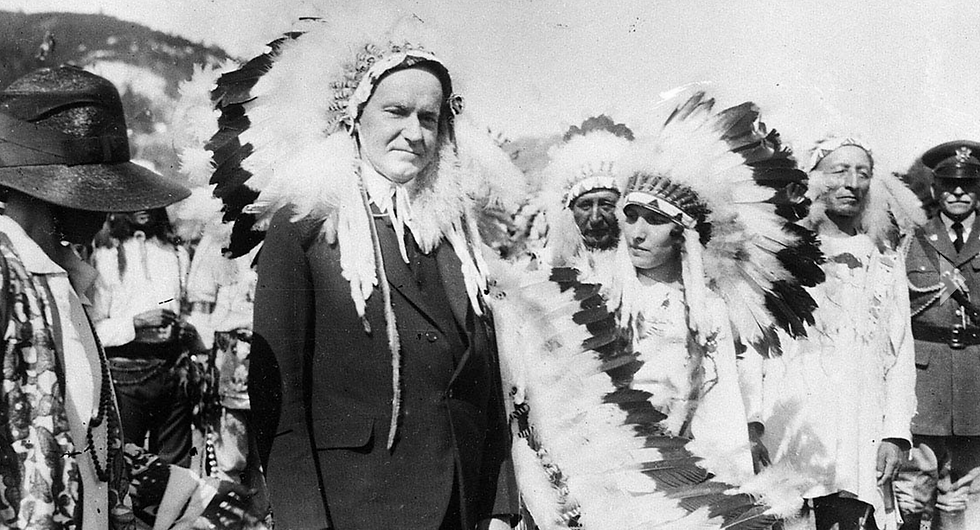
The question every brand should ask before stepping into any cultural space is not "will this get us reach?" It is: would this community want us here if we weren't paying for it? If the honest answer is no, if the only reason you're welcome is the check, then you haven't earned the partnership. You've rented a costume.
The leadership failure underneath the marketing failure
What strikes me most about this case, having worked inside the AB InBev world, is how institutional the failure was. This wasn't one rogue decision. It was the result of a culture inside the company where a VP could greenlight a culturally significant move, one touching on identity, community, and brand values, without anyone in the room having the knowledge, the relationships, or the authority to say: we are not ready to do this well, and doing it badly is worse than not doing it at all.
That's a creative operations problem as much as a cultural strategy problem. Who is in the room when these decisions get made? Who has the cultural range to flag the gap between the brand's identity and the move being proposed? Who has the authority to slow it down?
In my experience, that person is rarely a specialist. They're someone who has operated across communities, across disciplines, across the live and digital spaces where culture actually lives. Someone who understands that a brand's relationship with culture is not a campaign, it's a long-term commitment that requires consistency, earned trust, and the willingness to stand behind your choices when they cost you something. It is a value, as in principle, choice.
What getting it right actually looks like
The brands that build genuine cultural credibility don't announce partnerships. They show up consistently in spaces that matter to the community, not at scale, not with a press release, but with presence and with follow-through. They invest in relationships before they need them. They design experiences the community would want to attend even if the brand weren't involved. The brand earns its place by making the thing better, not by funding a photo opportunity.
That requires a different kind of thinking than most marketing departments are built for. It requires someone who understands the room, who has spent time in enough different rooms to know when a brand belongs in one and when it doesn't. It is called cultural intelligence. It's not a demographic report. It's judgment built from proximity.
Bud Light didn't need a better influencer strategy. They needed someone in the room who understood what they were stepping into, and who had the standing to say so before the can was ever printed.
The most expensive marketing mistake you can make is not the one that fails publicly. It's the one that fails because nobody asked the right question early enough. That question is always the same: have we earned the right to be here?
Jenifer Guzman is a senior producer and creative operator. Passionate about experiential strategy, creative operations, and cultural programming.

Comments